
Smart lighting
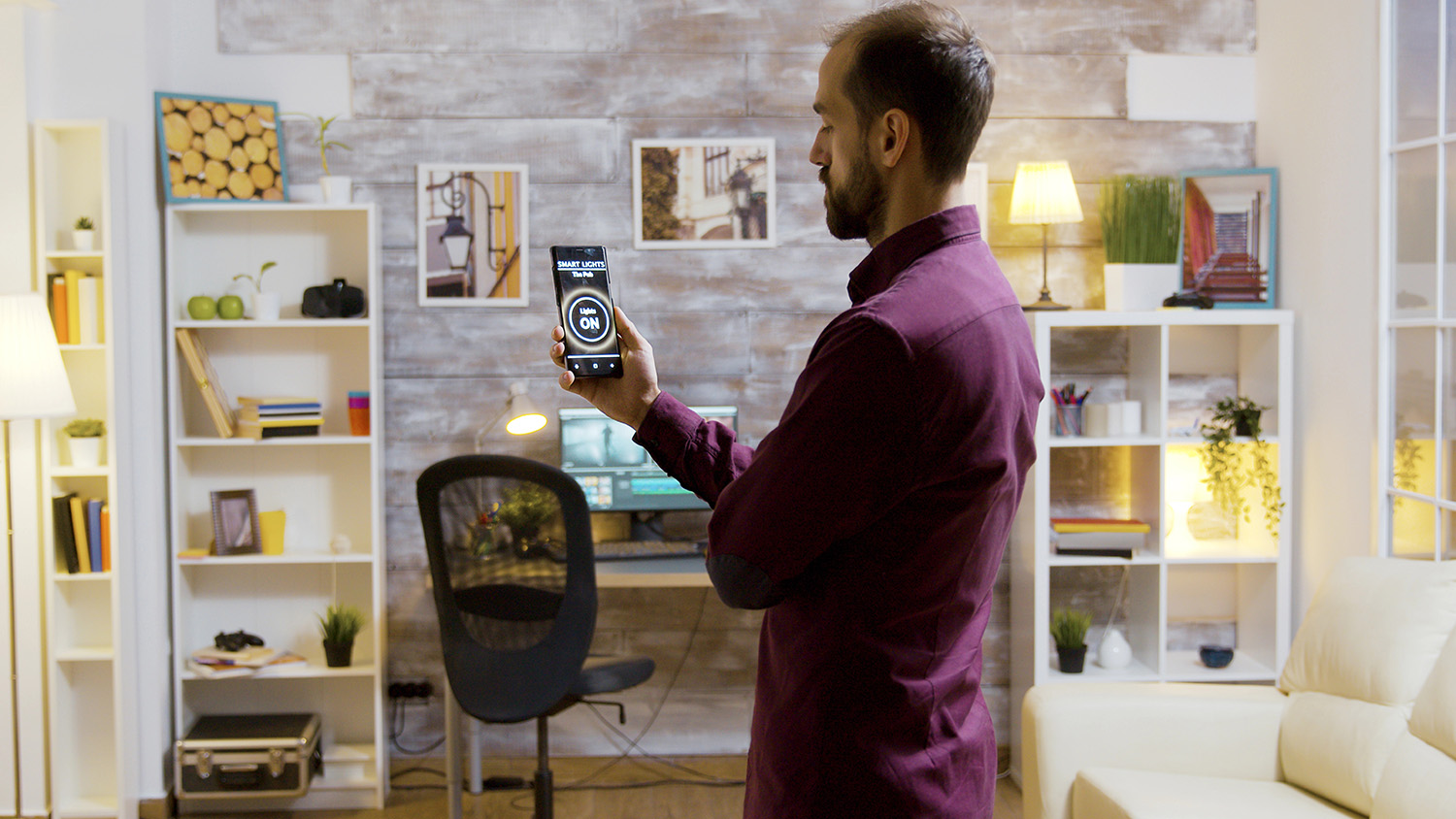
The concept of the "smart home" has evolved over the last few decades. Home automation has evolved, as has smart lighting. In this article, we'll discuss the latest developments in smart lighting.
What does smart lighting consist of?
Smart lighting is a new technology that allows you to control the lights in your home. It uses LED bulbs equipped with new elements that connect them to a brand app, a smart home assistant (such as Amazon Alexa or Google Home), or other smart devices. These smart bulbs can be installed over existing bulbs, providing complete control over how each room in the house is lit. They allow you to set colored lighting to decorate a room or for a special occasion; reduce the light intensity to a golden glow at the end of the day to help you relax, or conversely, adjust to a bright light in the morning to help you feel more awake. These tasks can be programmed via mobile phone or voice (using Amazon Alexa or Google Home).
What are the advantages of smart light bulbs?
Lighting management
Through the app or the intelligent virtual assistant, it's possible to turn the lights on or off. This feature, besides being very useful in everyday life, also makes the house safer, for example, when we go on vacation. It allows you to turn on the lights for a few hours when you're not home, to simulate that someone is there.
Through the app, it's also possible to increase or decrease the brightness, change the temperature from warm white to cool white , and to RGB tones, if the model allows it.
Smart schedules
As mentioned earlier, it is possible to set the lights to turn on automatically, with the desired brightness and color, thus establishing intelligent lighting schedules that adapt to your daily routine.
For those who have difficulty falling asleep or waking up, smart lighting can still be an excellent mechanism for synchronizing with the circadian rhythm.
Voice control
With smart home assistants like Amazon Alexa, Google Assistant, or Siri Shortcuts, you can control your smart lights using just your voice.
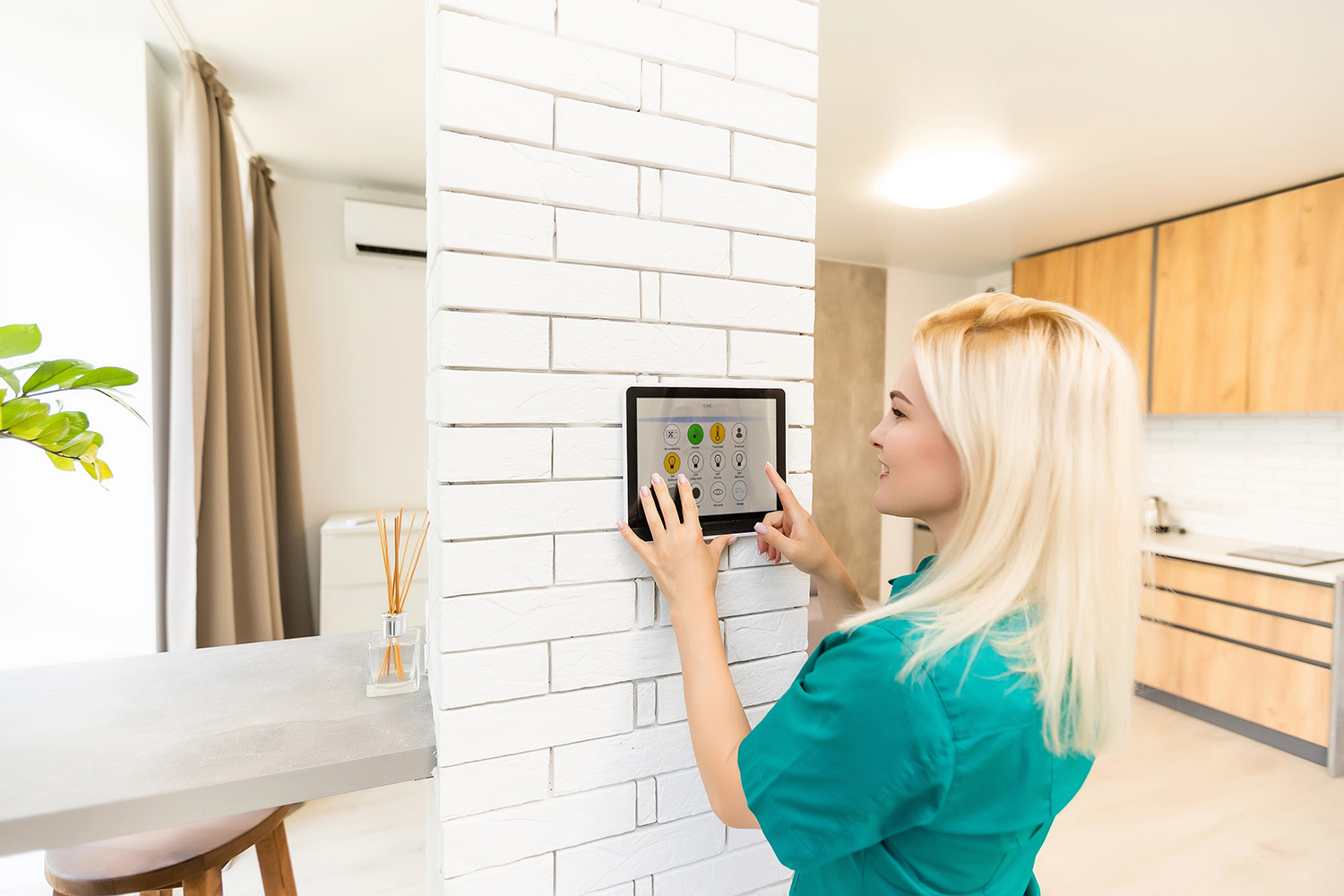
How to create a smart lighting system?
1. Installation of smart light bulbs
The first step is to install smart light bulbs. These differ from traditional bulbs because they contain microchips and antennas that connect them to Wi-Fi, Bluetooth, or Zigbee networks. This connection allows for remote control via smartphones, tablets, or voice commands.
2. Connecting smart bulbs to a smart home app or assistant.
The second step is to install the brand's app on your phone or tablet and synchronize it. If you have a smart home assistant, integrate these light bulbs with it.
3. Connection to the Hub
The third step is optional. If you have a central hub that connects the devices on your home network, you can also connect the smart bulbs to that network.
Sensors
Some smart lighting systems include motion and presence sensors, which automatically detect the presence of people and adjust the lighting according to their needs.
Motion sensors allow lights to turn on automatically whenever someone enters a room. They also allow them to turn off automatically when someone leaves, leading to energy savings.
Presence sensors also regulate light intensity according to the number of people in the room, optimizing energy consumption.
In our online store, we have several smart light bulbs. To see each item, simply click on the following links:
Smart Candle Bulb 4.8W E14 V-TAC
Smart Filament Bulb 7W E27 A60 V-TAC
If you have any questions, please do not hesitate to contact our experts via email at info@wattlamp.net.


